


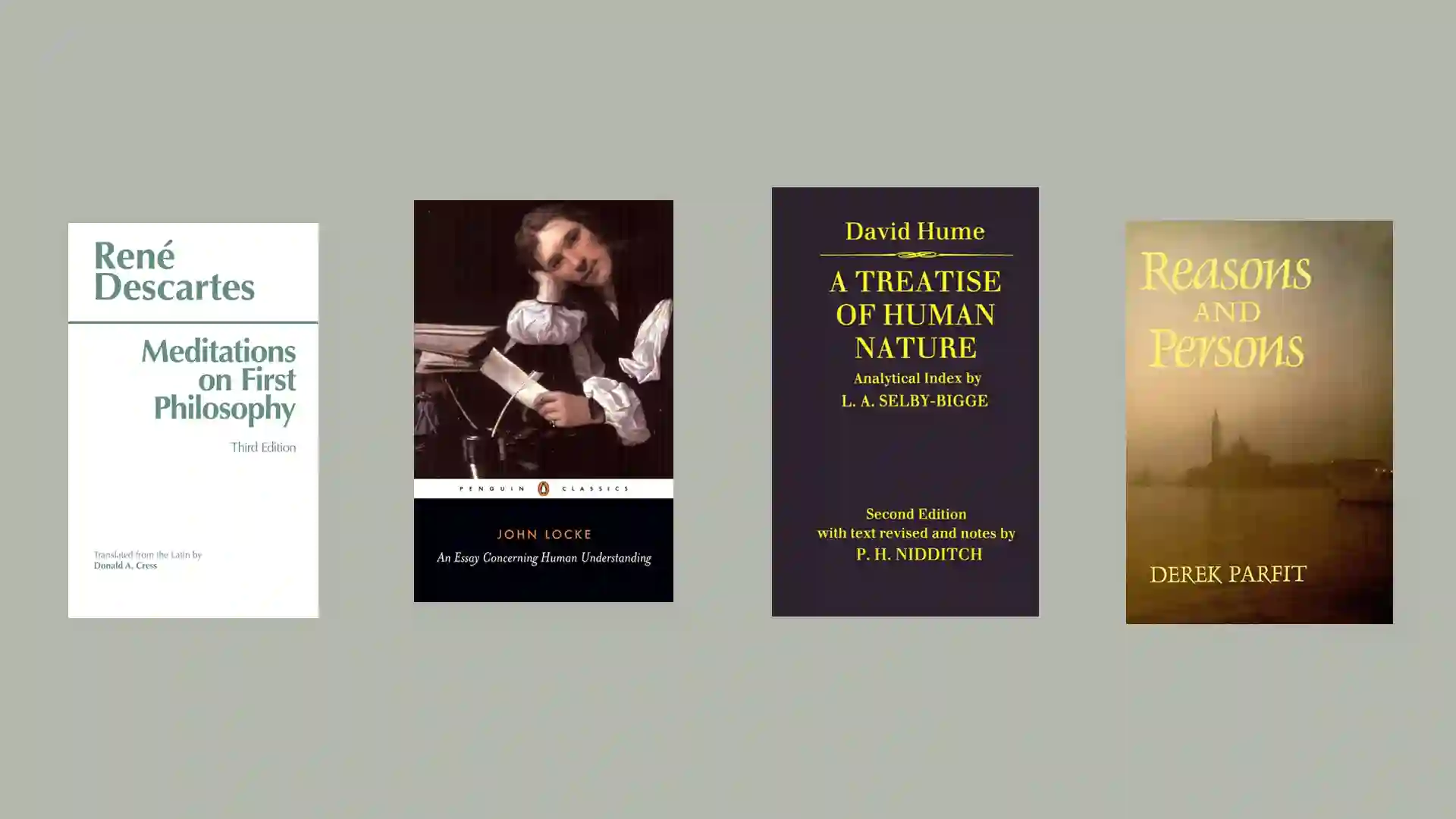
The philosophy of the self begins with competing questions about identity, embodiment, memory, narration, and first-person experience.
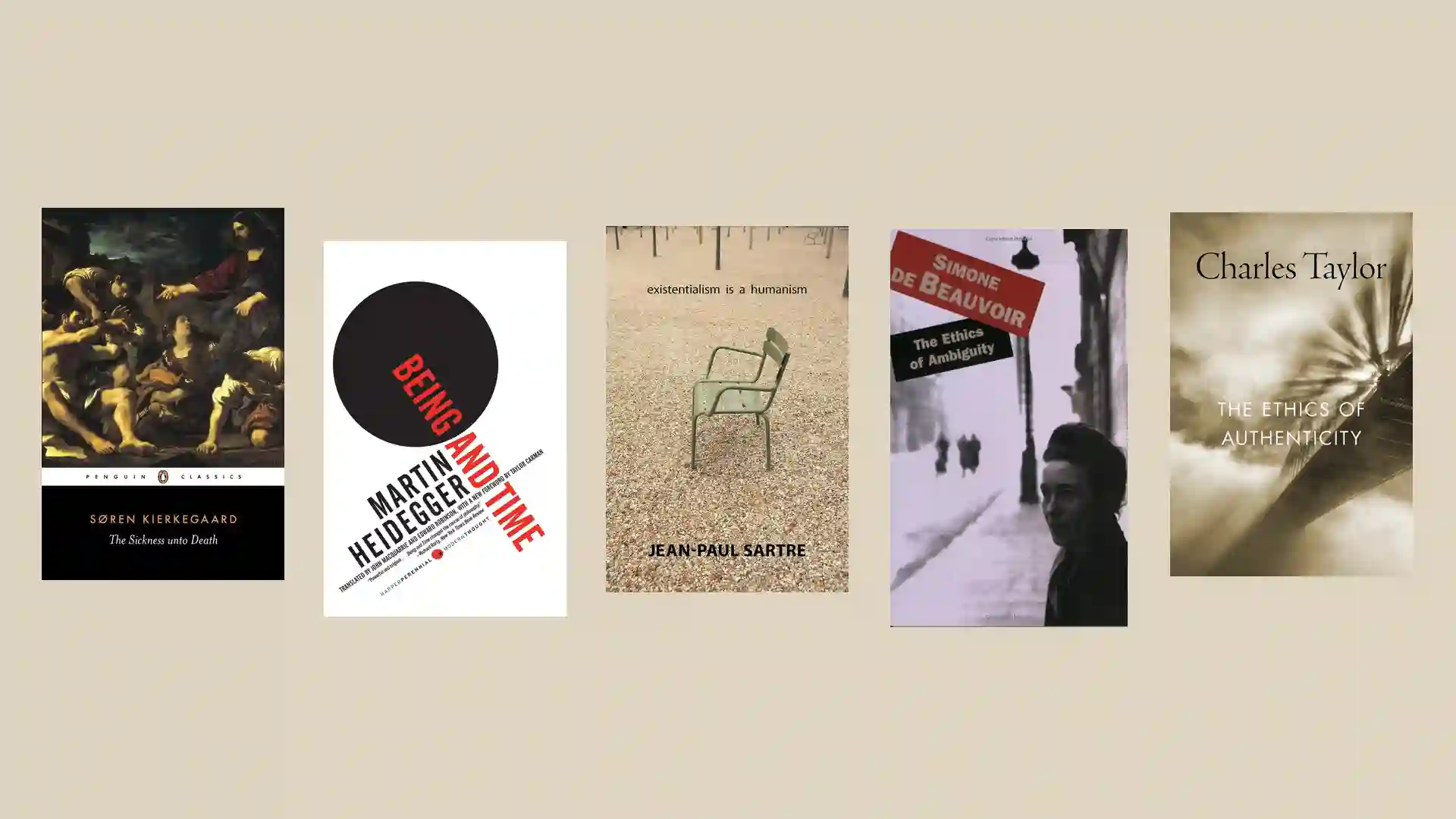
To understand authenticity, begin with the philosophical disputes before treating the word as a lifestyle prescription.
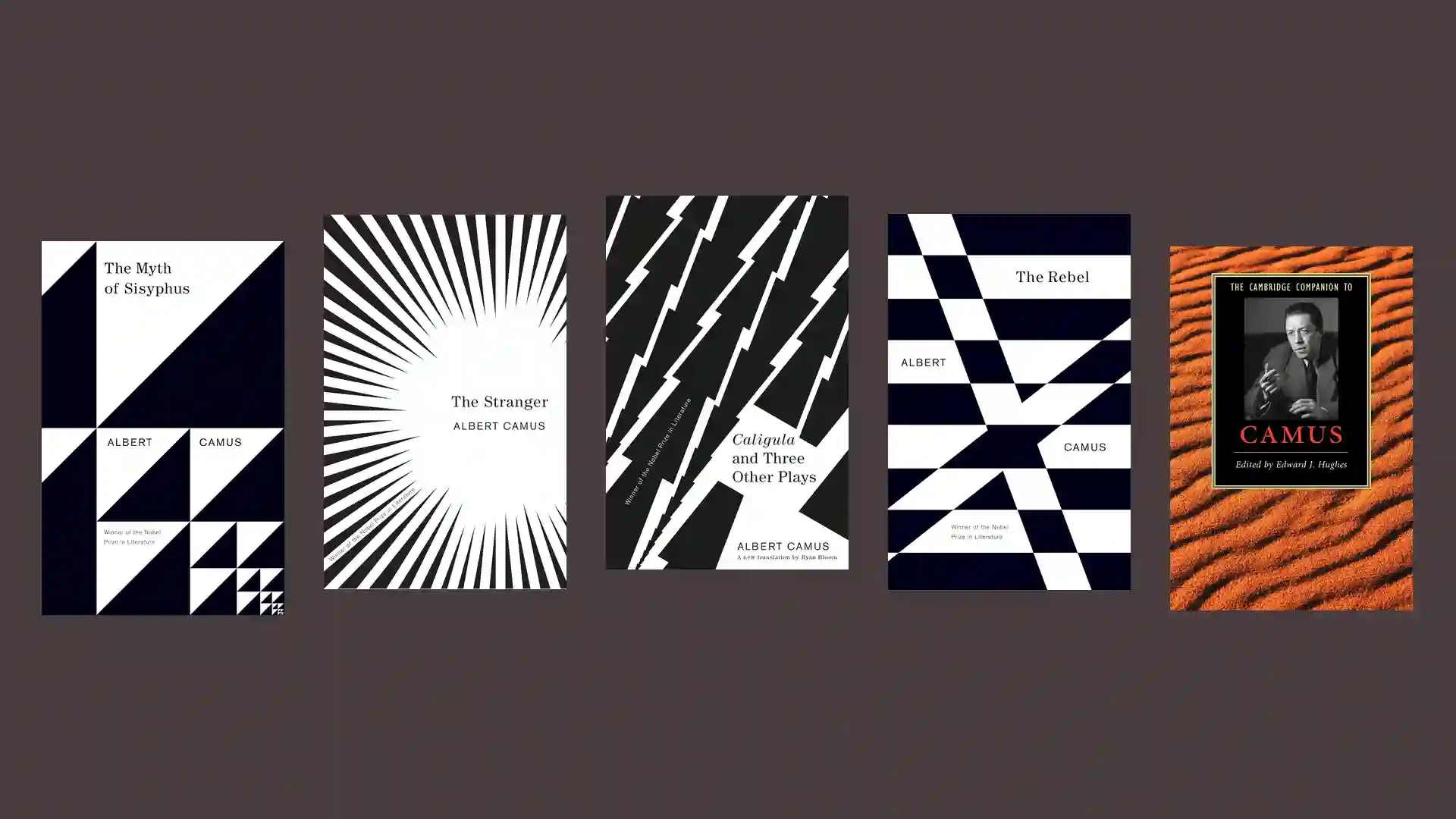
Five books on Camus and the absurd give different answers about revolt, suicide, meaning, and the limits of philosophical consolation.
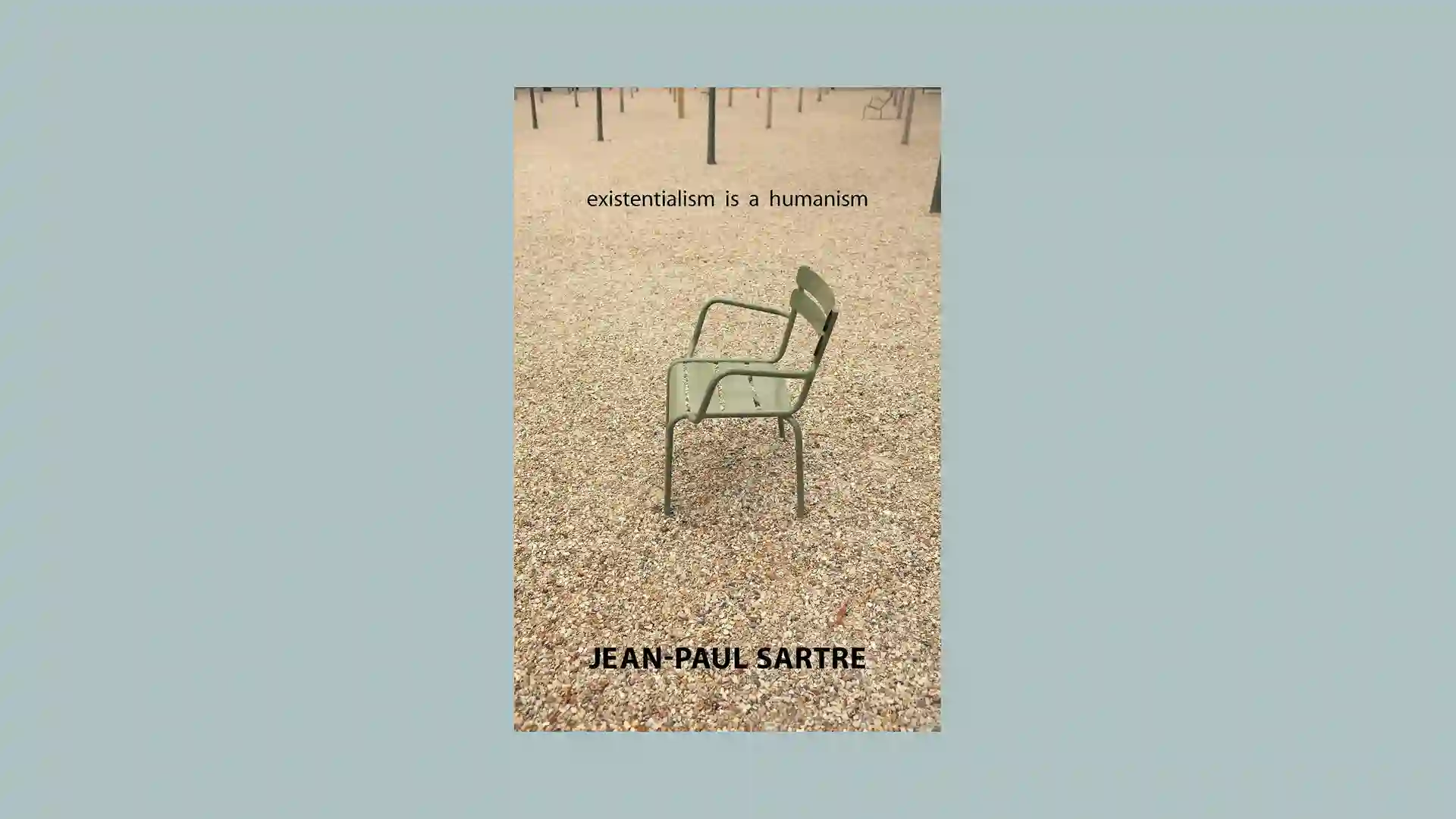
Find a reliable English edition of Sartre’s Existentialism Is a Humanism and understand what the public lecture clarifies—and oversimplifies.
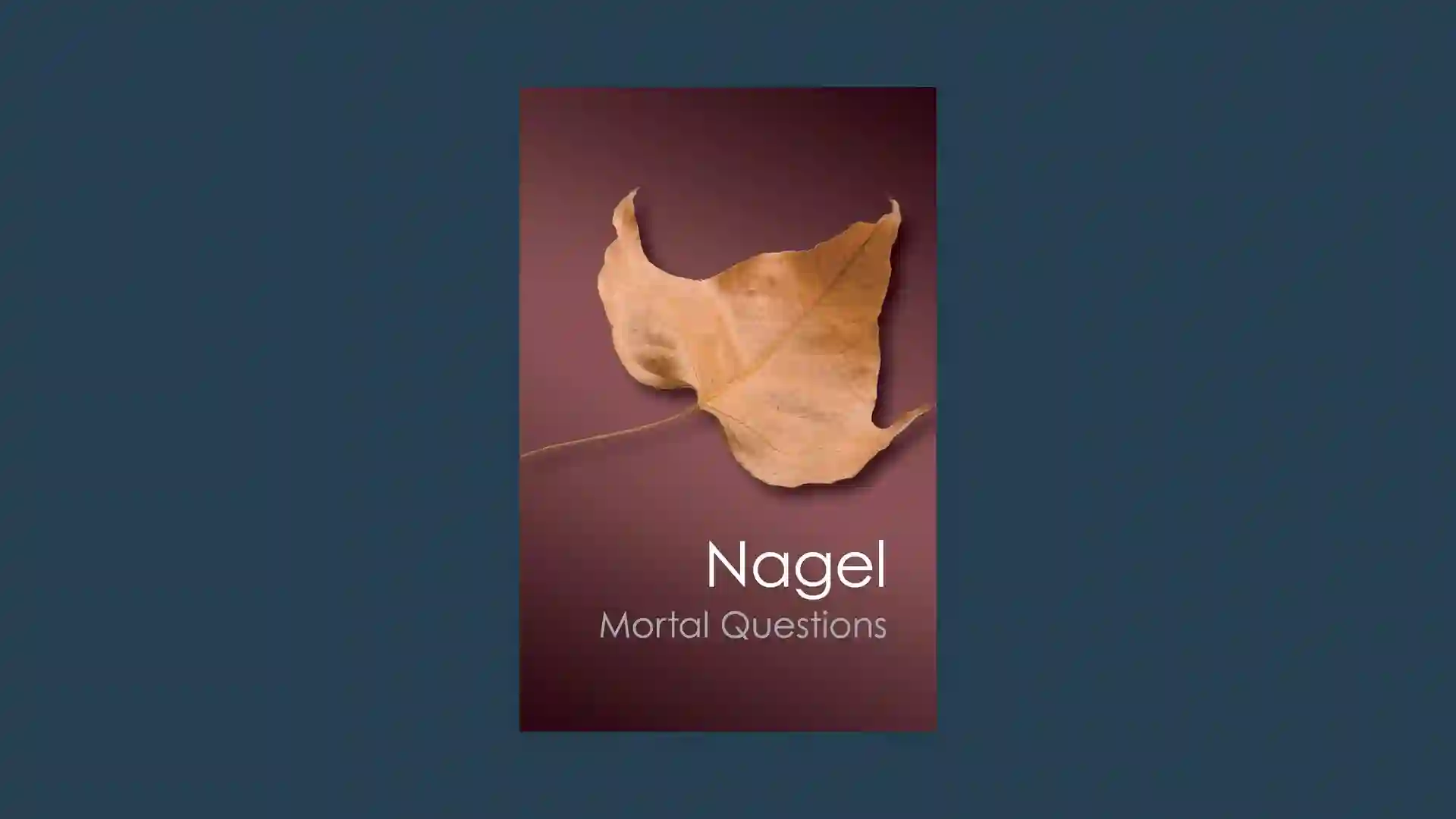
Locate Thomas Nagel’s “The Absurd,” understand its place in Mortal Questions, and distinguish Nagel’s argument from Camus-style absurdism.
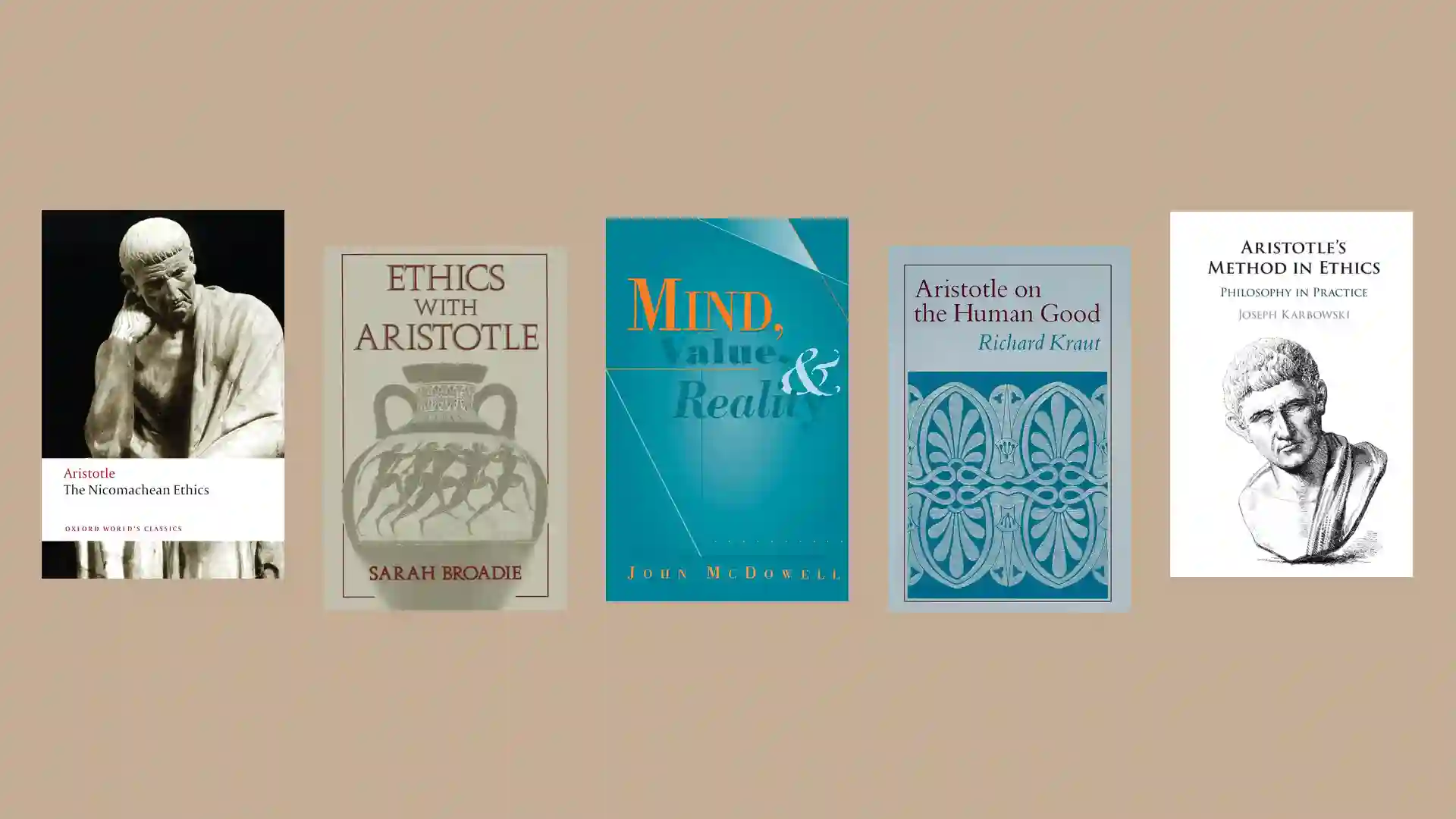
Six scholarly routes into Aristotle’s phronēsis, organized around competing claims about deliberation, particulars, virtue, method, and practical reason.
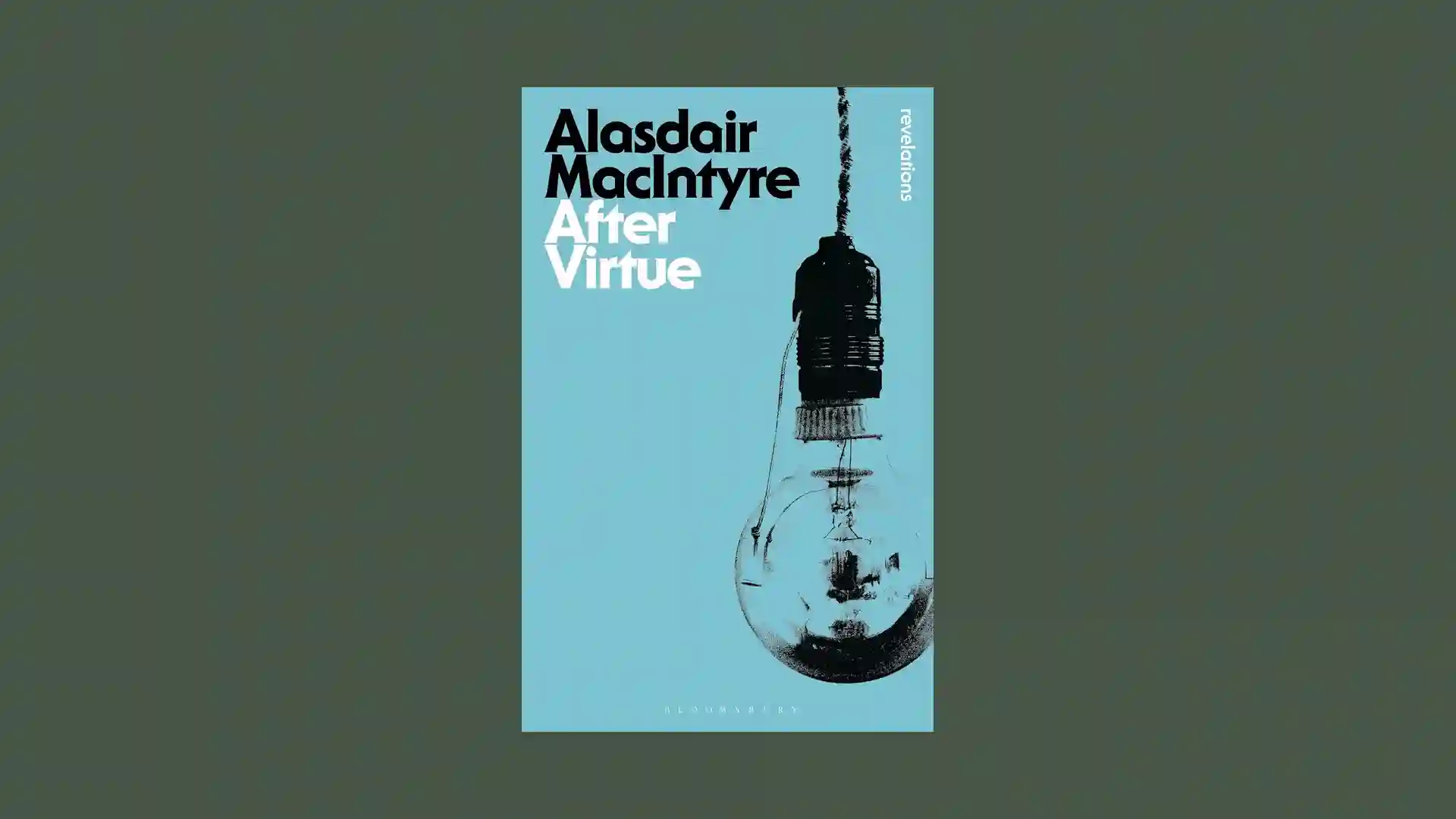
A minimal prerequisite route for After Virtue: emotivism, Aristotle, Nietzsche, practices, traditions, and what beginners can safely learn from.
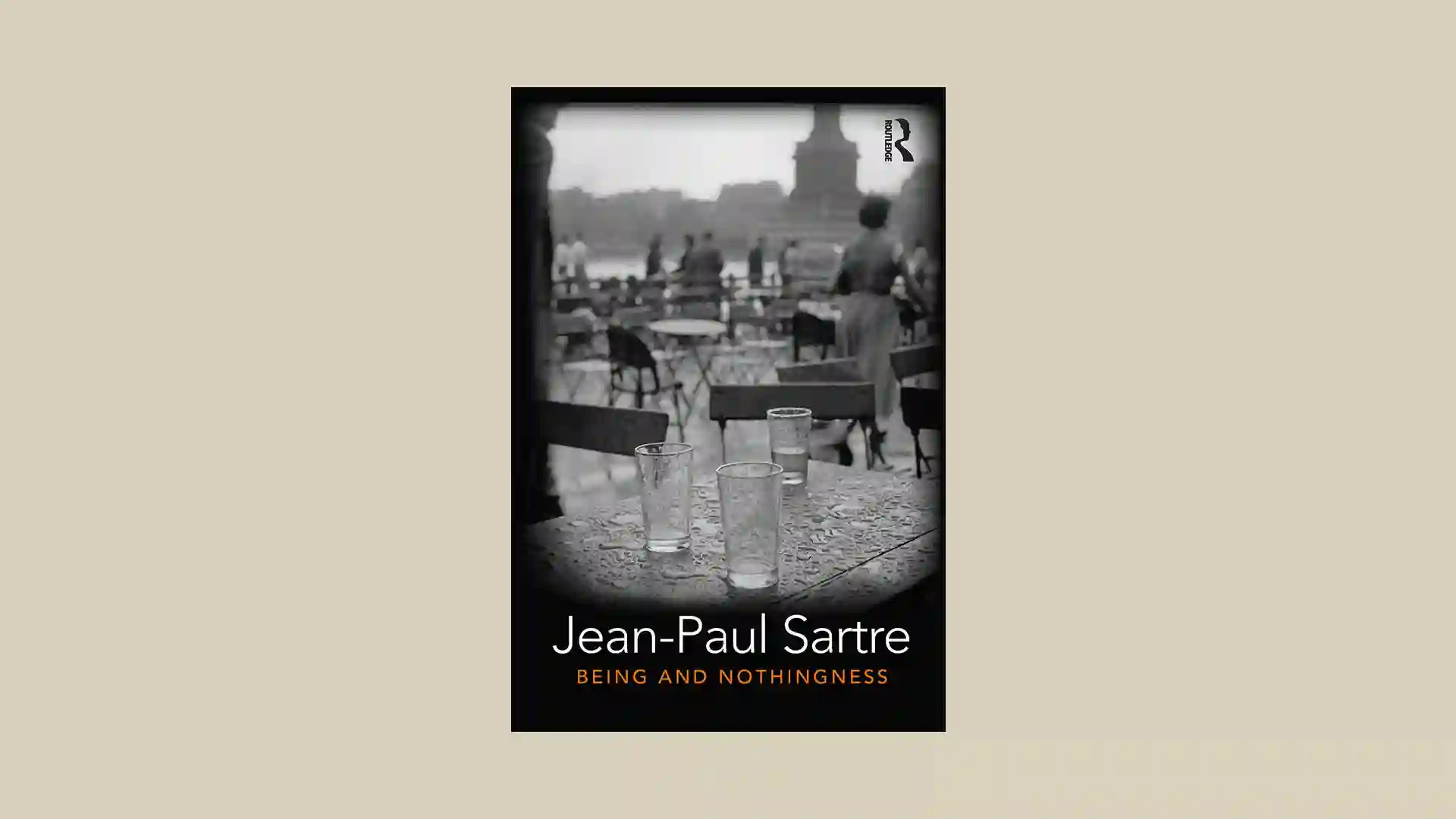
Sartre’s bad faith is not simply lying to oneself; the key section, original terminology, and translation choices matter.
