
The word “restoration” describes the political language of 1868. It does not by itself describe the scale of what followed.
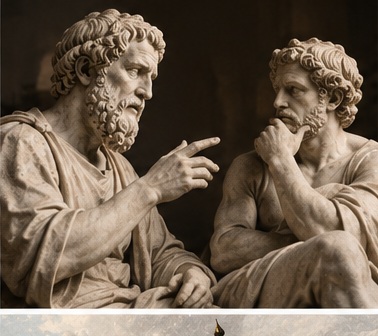
Friendship is not a pleasant appendix to Aristotle’s ethics. It is where virtue, justice, self-love and political life meet.

The Geneva Conventions are not one document and they do not regulate every question in war. Their architecture is easier…
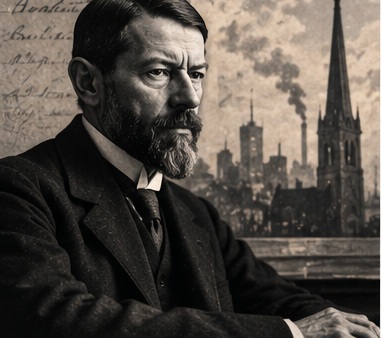
Weber did not argue that Protestantism “caused capitalism.” His actual claim is narrower, stranger and more sociological.

A close reading of the episode in which Christ says nothing — and that silence becomes the argument.

The decisive problem was not courage at Culloden. It was converting dynastic loyalty into durable political power.

Why two equally reckless people can seem morally different when only one of them happens to cause harm.
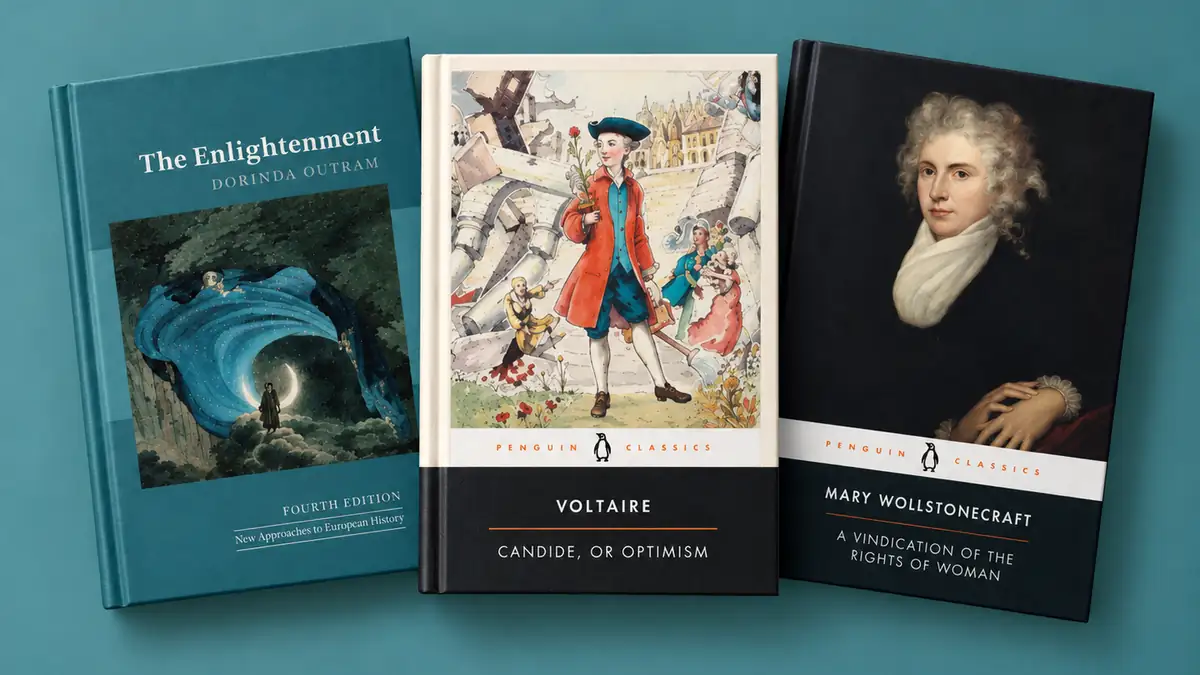
Best Books on the Enlightenment begin with Dorinda Outram’s historical map, move through the most useful primary voices and tensions,…