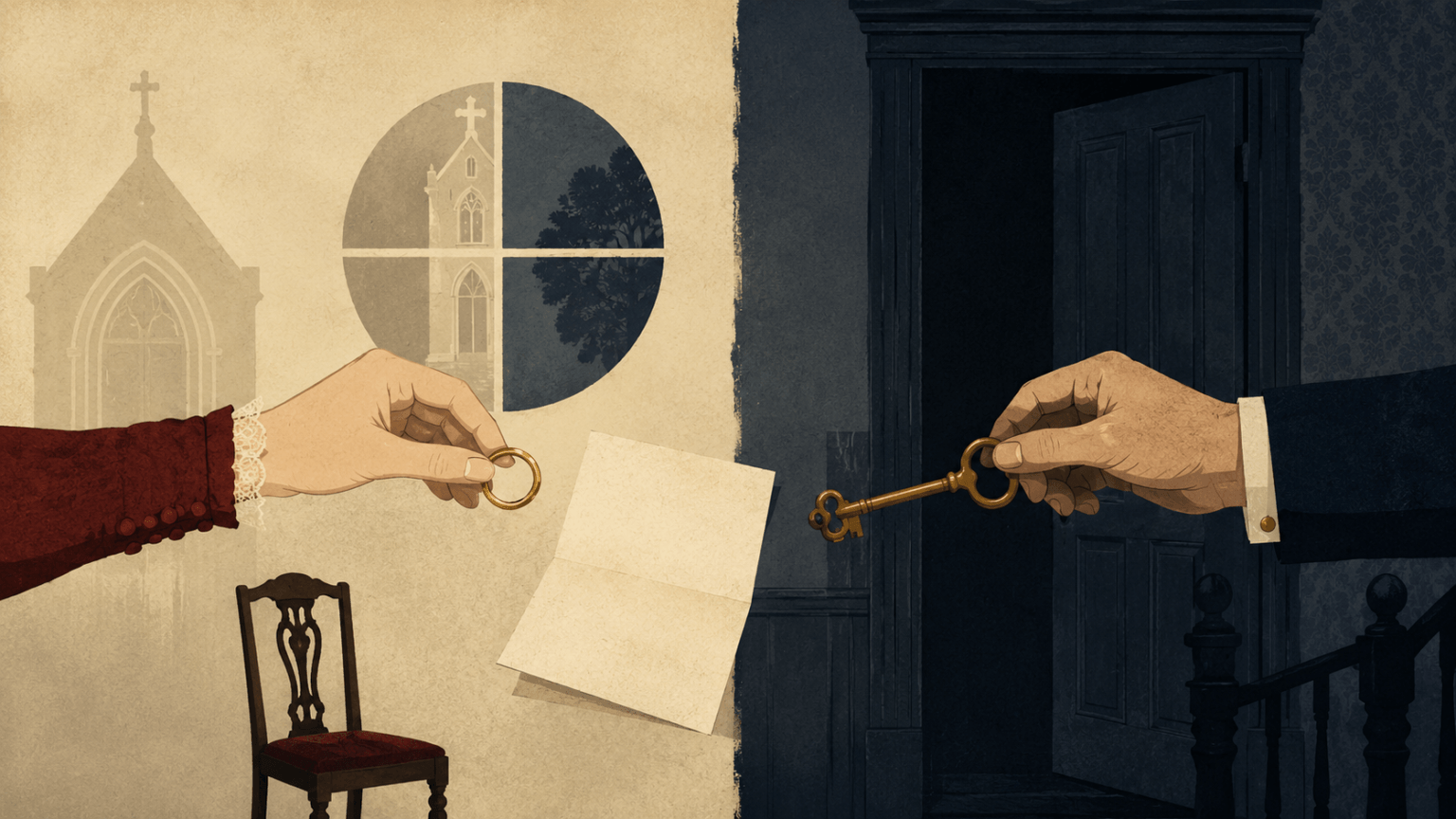
Illustration by Bookinlight Art Desk
Historical Literature
Five Books on Victorian Marriage
Marriage in the Victorian novel is rarely only a private ending. It is a legal trap, a moral test, a property arrangement, a social fantasy, and sometimes the only available language for freedom.
By Bookinlight

Marriage as Plot, Law, and Moral Weather
The best books on Victorian marriage do not treat marriage as a decorative conclusion to courtship. They ask what happens when affection is forced to pass through property law, religious expectation, social rank, sexual ignorance, and the ideal of feminine self-sacrifice. Victorian fiction inherits the marriage plot from earlier domestic novels, but it darkens the form. A wedding may promise recognition, yet it may also erase a woman’s legal existence, bind her to violence, or make public respectability depend on private submission.
These five books belong together because they trace marriage from aspiration to exposure. Jane Eyre imagines a marriage that can occur only after moral equality has been secured. The Tenant of Wildfell Hall asks whether a wife can morally leave a husband whom the law still protects. Middlemarch studies marriage as a slow education in illusion and sympathy. Man and Wife turns marriage law itself into sensation fiction. Jude the Obscure closes the century by showing marriage as an institution capable of crushing the very intimacy it claims to sanctify.
Why Victorian Marriage Still Disturbs Us
Victorian marriage remains intellectually powerful because it makes visible a permanent conflict between personal desire and social form. The period did not simply idealize the home; it converted the home into a moral institution. That conversion gave the Victorian novel one of its great subjects: how private life becomes governed by public scripts. These books show lovers negotiating not only one another, but also inheritance, reputation, church authority, gendered labor, bodily vulnerability, and the silent violence of legal categories.
The Reading Lens
The Victorian Marriage Plot Is a Test of Freedom
Read together, these books turn marriage from a romantic destination into a diagnostic instrument. They ask whether consent is meaningful when women lack money, mobility, legal independence, or social credit. The most searching Victorian marriage novels do not reject intimacy; they ask what conditions make intimacy ethically possible. Their deepest concern is not whether two people marry, but whether the structure around marriage permits truth, reciprocity, and personhood to survive.
Central Question
Can marriage be a form of mutual recognition when society builds it on unequal power?
Historical Pressure
Coverture, respectability, class discipline, and religious morality turn private choice into a public institution.
Why These Books
They move from moral autonomy to marital escape, provincial realism, legal critique, and late-century disillusion.
The Five Books
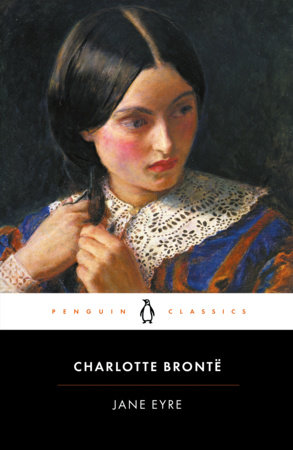
Jane Eyre
Charlotte Brontë
Best for: Readers beginning with autonomy, consent, and moral equality.
Difficulty: General
Intellectual role: The romance of marriage rewritten as a demand for self-possession.
Bookinlight Rating: ★★★★★★
Jane Eyre is often remembered as a love story, but its deeper achievement is to make marriage conditional on ethical parity. Jane does not simply choose Rochester; she refuses to be absorbed by him. The interrupted wedding exposes the danger of passion without truth, while St. John Rivers’s proposal exposes the opposite danger: duty without love. Brontë’s novel is therefore indispensable to Victorian marriage because it insists that a woman’s inward authority must precede any respectable union.
Critical Reception
“At the end we are steeped through and through with the genius, the vehemence, the indignation of Charlotte Brontë.“
Bookinlight Note: Read the two proposals together: Rochester asks for desire without lawful truth; St. John asks for lawful vocation without desire.
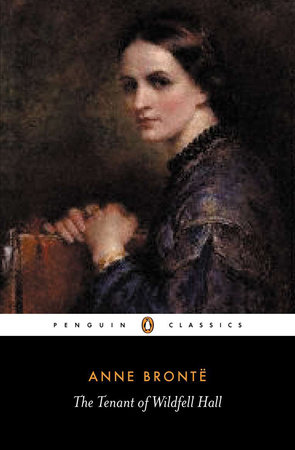
The Tenant of Wildfell Hall
Anne Brontë
Best for: Readers interested in marital violence, domestic independence, and moral courage.
Difficulty: General to Intermediate
Intellectual role: The Victorian wife as fugitive, witness, and ethical actor.
Bookinlight Rating: ★★★★★★
Anne Brontë’s novel is the great counterweight to sentimental domesticity. Helen Huntingdon’s flight from Arthur is not framed as caprice but as moral rescue: of herself, of her child, and of truth. The novel’s diary structure matters because Helen must become the narrator of her own marriage in a culture that turns wives into reputational objects. For Victorian marriage, this book is essential because it treats separation not as scandal but as testimony.
Critical Reception
“A powerful depiction of a woman’s fight for domestic independence and creative freedom.“
Bookinlight Note: Pair this with legal history on coverture: the novel’s emotional force depends on the terrifying gap between moral right and legal recognition.
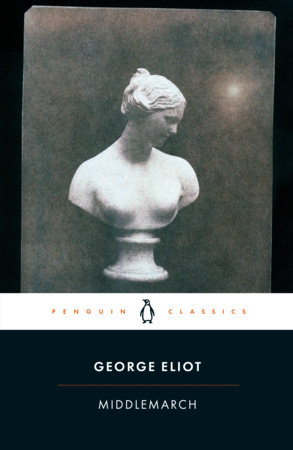
Middlemarch
George Eliot
Best for: Readers seeking the richest moral sociology of marriage in Victorian fiction.
Difficulty: Advanced
Intellectual role: Marriage as mistaken idealism, social entanglement, and ethical education.
Bookinlight Rating: ★★★★★
Middlemarch understands marriage less as event than as duration. Dorothea Brooke’s marriage to Casaubon reveals how spiritual ambition can misread pedantry as depth. Lydgate and Rosamond expose another failure: professional idealism destroyed by vanity, debt, and incompatible expectations. Eliot’s genius is to make marriage neither villain nor salvation. It is a social medium in which character becomes legible. No Victorian novel sees more clearly how private disappointment connects to provincial status, money, gender, and moral imagination.
Bookinlight Note: Watch how Eliot refuses melodrama: the tragedy of marriage often arrives through ordinary misrecognition, not spectacular cruelty.
Man and Wife
Wilkie Collins
Best for: Readers drawn to marriage law, sensation fiction, and institutional absurdity.
Difficulty: Intermediate
Intellectual role: The marriage contract exposed as legal machinery and social danger.
Bookinlight Rating: ★★★★★
Collins brings legal irregularity into the nervous system of the plot. Man and Wife is not as formally perfect as The Moonstone, but for Victorian marriage it is invaluable because it dramatizes the instability of the institution’s own rules. Promises, technicalities, jurisdiction, masculine athletic culture, and female vulnerability converge in a story where marriage becomes less a sacred bond than a dangerous interpretive problem. Collins sees what many domestic idealists ignore: a law can produce melodrama by pretending to produce order.
Critical Reception
“A radical critique of the values and conventions of Victorian society.“
Bookinlight Note: Read this as a legal thriller about grammar: who said what, where, under which law, and with what consequences?
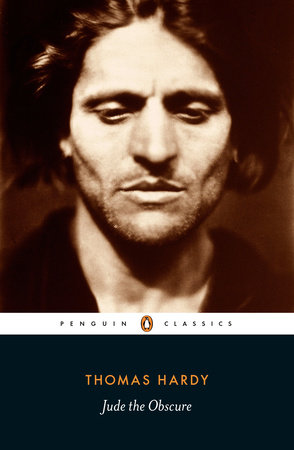
Jude the Obscure
Thomas Hardy
Best for: Readers ready for the bleakest late-Victorian critique of marriage and respectability.
Difficulty: Advanced
Intellectual role: The collapse of the marriage ideal under poverty, shame, and institutional cruelty.
Bookinlight Rating: ★★★★★★
Jude the Obscure is the endgame of Victorian marriage fiction. Hardy does not merely question whether the right people marry; he asks whether the institution itself can recognize truth when it arrives in socially unacceptable forms. Jude and Sue’s relationship is intellectually and emotionally alive, yet social judgment, poverty, and religious terror turn intimacy into catastrophe. The novel remains devastating because it treats marriage not as a failed romance but as a social technology that can punish sincerity.
Critical Reception
“Hardy’s fearless exploration of sexual and social relationships and his prophetic critique of marriage.“
Bookinlight Note: Read Hardy after Brontë and Eliot: the question shifts from how marriage can be redeemed to whether it should retain moral authority.
How These Books Speak to One Another
The sequence matters. Brontë begins with a woman who must own herself before she can marry. Anne Brontë radicalizes the problem by asking what a wife can do after marriage becomes captivity. Eliot then slows the drama down, showing that bad marriages are not only the result of cruelty but also of vanity, idealization, class performance, and failed sympathy. Collins makes the legal structure visible as plot machinery. Hardy finally strips away consolation: when society confuses legality with morality, marriage can become a punishment for those who love outside sanctioned forms. Together, these books make Victorian marriage one of the great laboratories of modern fiction.
The Reading Map
| Book | Author | Difficulty | Rating | Why It Matters |
|---|---|---|---|---|
| Jane Eyre | Charlotte Brontë | General | ★★★★★★ | Makes consent inseparable from self-respect. |
| The Tenant of Wildfell Hall | Anne Brontë | General to Intermediate | ★★★★★★ | Turns marital escape into moral witness. |
| Middlemarch | George Eliot | Advanced | ★★★★★ | Shows marriage as a slow social education. |
| Man and Wife | Wilkie Collins | Intermediate | ★★★★★ | Makes marriage law a machine for narrative danger. |
| Jude the Obscure | Thomas Hardy | Advanced | ★★★★★★ | Exposes respectability as a force of destruction. |
Where to Begin
- Entry point: Begin with Jane Eyre for the clearest version of marriage as moral equality.
- Historical background: Move to The Tenant of Wildfell Hall to confront the legal and social vulnerability of wives.
- Conceptual foundation: Read Middlemarch slowly; it gives the most complete anatomy of marriage as social relation.
- Critical perspective: Use Man and Wife to see how legal categories become plot, fear, and injustice.
- Contemporary relevance: Read Jude the Obscure for the continuing conflict between intimate truth and institutional recognition.
- Advanced reflection: Return to the opening chapters of each book and ask how courtship already contains the future marriage.
External Sources for Further Reading
The British Library on Charlotte Brontë’s Jane Eyre
The Last Margin
The enduring force of these five books on Victorian marriage lies in their refusal to let marriage remain a sentimental abstraction. Each book asks what kind of person the institution produces, protects, disciplines, or destroys. The answer is never simple. Marriage can become mutual recognition, but only when truth and freedom are present. Without them, it becomes a beautifully furnished room whose door may not open from the inside.